

 See My Latest Article on HelloNation
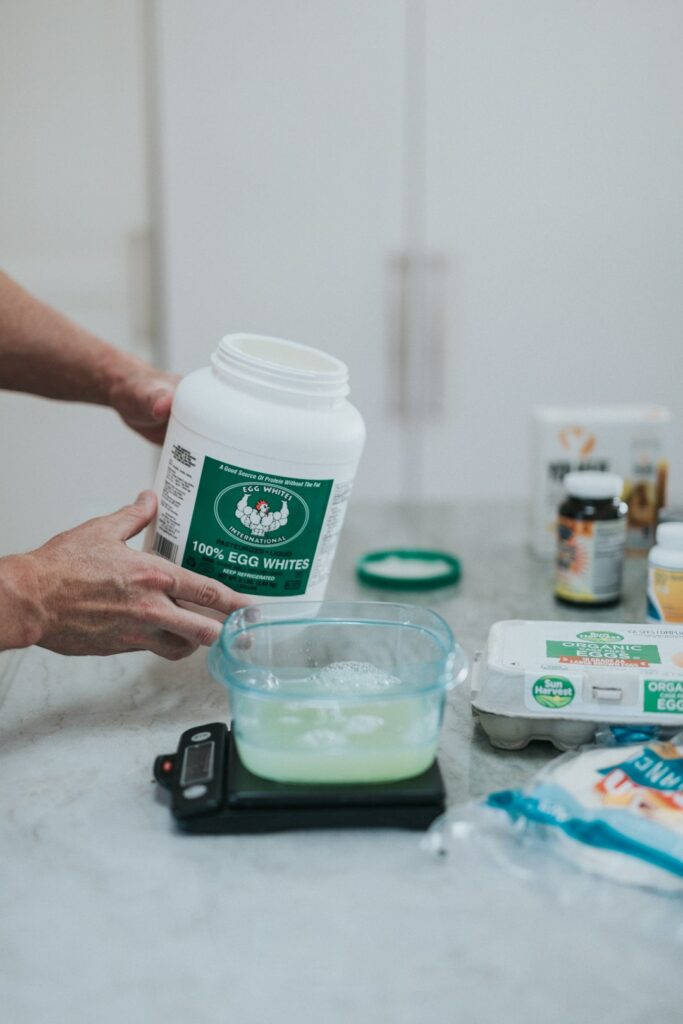
How much protein do you need to build muscle?
For most adults who lift weights regularly, a practical daily target is 1.4 to 2.0 grams of protein per kilogram of body weight. That equals approximately 0.6 to 0.9 grams per pound.
A middle-range target works well for many people:
- 150-pound adult: about 90–135 grams per day
- 180-pound adult: about 110–160 grams per day
- 200-pound adult: about 120–180 grams per day
The higher end may be useful during a calorie deficit, for experienced lifters, or when preserving muscle is a priority. Beginners often make progress without reaching the maximum.
Protein supports muscle repair and growth, but it does not replace progressive resistance training, adequate calories, sleep, or recovery. Eating more protein than needed will not automatically create more muscle.
Why is protein important for muscle growth?
Resistance training creates a stimulus that tells the body to repair and strengthen muscle tissue. Protein supplies amino acids, which are used to build and maintain that tissue.
Muscle growth depends on the balance between muscle protein synthesis and muscle protein breakdown. Training and eating enough protein can shift that balance in a favorable direction. However, the process works best when protein intake is combined with exercises that gradually become more challenging.
The daily total matters more than a single shake or meal. A person who eats 140 grams of protein consistently is generally in a better position than someone who consumes 60 grams most days and occasionally eats a very large amount after training.
Is the standard protein recommendation enough?
The general adult protein recommendation is designed to prevent deficiency and support basic health. It is not specifically optimized for gaining muscle through resistance training.
For an inactive adult, the standard recommendation may be adequate. For someone lifting several times per week, the higher range of 1.4 to 2.0 grams per kilogram is more relevant.
A person who weighs 180 pounds weighs approximately 82 kilograms. Multiplying 82 by 1.4 to 2.0 gives a daily range of roughly 115 to 165 grams of protein.
Body weight is a useful starting point, but it is not the only factor. People with higher body-fat levels may find a target based on goal body weight or lean body mass more practical. This can prevent an unnecessarily high protein calculation.
How should protein be spread throughout the day?
Protein is generally easier to use for muscle-building purposes when it is distributed across several meals rather than concentrated in one sitting.
A useful pattern is three to five protein-containing meals or snacks, with approximately 25 to 40 grams per meal for many adults. Larger individuals may benefit from somewhat more, while smaller individuals may need less.
For example, a person aiming for 140 grams could organize the day like this:
- Breakfast: 30 grams
- Lunch: 35 grams
- Afternoon snack: 20 grams
- Dinner: 35 grams
- Evening snack: 20 grams
This does not need to be exact. The goal is to make adequate intake manageable, especially for people with long commutes, busy work schedules, or limited kitchen space. In Seattle, where cool, wet weather can make convenient meals appealing during much of the year, prepared foods such as yogurt, eggs, beans, lentils, tofu, canned fish, or leftover poultry can make regular protein intake easier without relying on supplements.
Does protein timing after a workout matter?
Eating protein after training is useful, but the idea of a narrow “anabolic window” is often overstated. A normal meal containing protein within a few hours before or after lifting is usually sufficient.
A post-workout meal can be convenient because it supports recovery and helps establish a routine. It does not need to be consumed immediately after the final set.
People who train early in the morning, after work, or outdoors during warmer months can use the same basic approach: eat a protein-containing meal before training when practical, then include another meal afterward. Total daily intake remains the primary concern.
Which protein foods support muscle building?
Both animal and plant foods can contribute to muscle growth. The most useful choices are foods that provide substantial protein without making the overall diet difficult to maintain.
Examples include:
- Eggs and dairy foods such as milk, cottage cheese, and Greek-style yogurt
- Chicken, turkey, lean meat, and fish
- Tofu, tempeh, edamame, beans, lentils, and peas
- Seitan and other high-protein plant foods
- Protein powders when ordinary meals are inconvenient

Animal proteins often contain all essential amino acids in substantial amounts. Plant proteins can also support muscle growth when eaten in adequate amounts and varied across the day. Combining foods such as beans with grains is not required at every meal, but a varied diet helps provide a broad amino acid profile.
Protein quality matters, but total intake, resistance training, calories, and consistency usually matter more than choosing a “perfect” source.
Do you need protein powder?
No. Protein powder is a convenience food, not a requirement for building muscle.
It can help when appetite is low, cooking time is limited, or a person struggles to reach a daily target through regular meals. It is also useful for people who need portable options between work, school, and training.
A powder should not displace most whole foods. Meals built around protein foods also provide carbohydrates, fats, fiber, vitamins, and minerals that powders may lack. Anyone using supplements should check the serving size, added ingredients, and allergy information rather than assuming a larger scoop is better.
Does eating more protein damage the kidneys?
For healthy adults, protein intakes within common muscle-building ranges have not been shown to harm normal kidney function. That does not mean high-protein eating is appropriate for everyone.
People with diagnosed kidney disease, reduced kidney function, a history of kidney stones, or other medical conditions affecting protein intake should seek individualized medical guidance before substantially increasing protein. The same applies during pregnancy or when taking medications that affect kidney function.
Adequate fluids, fiber, fruits, vegetables, and overall diet quality also matter. A high-protein diet built almost entirely from processed foods is not automatically healthy.
What if you are trying to lose fat while gaining muscle?
A modest calorie deficit can make muscle gain slower, particularly for advanced lifters. During fat loss, protein becomes especially useful for preserving lean mass.
Many people do well near the upper portion of the recommended range, around 1.6 to 2.0 grams per kilogram per day, while continuing resistance training. Beginners, people returning after a long break, and individuals with higher body-fat levels may gain some muscle while losing fat at the same time.
Protein alone cannot compensate for an overly aggressive diet. Severe calorie restriction can reduce training performance, recovery, mood, and adherence.
What is the simplest way to start?
Begin with a realistic target rather than trying to make every meal perfect. For many active adults, 1.6 grams per kilogram of body weight per day is a reasonable midpoint.
Track ordinary eating for several days, estimate the current protein intake, and increase it gradually if needed. Adding one protein-rich breakfast, improving lunch, or including a planned afternoon snack may be enough to close the gap.
The most reliable approach is consistent resistance training, adequate total calories, regular protein servings, and enough sleep to recover. Protein is essential for muscle building, but it works as part of that larger system rather than as a substitute for it.