
 See My Latest Article on HelloNation
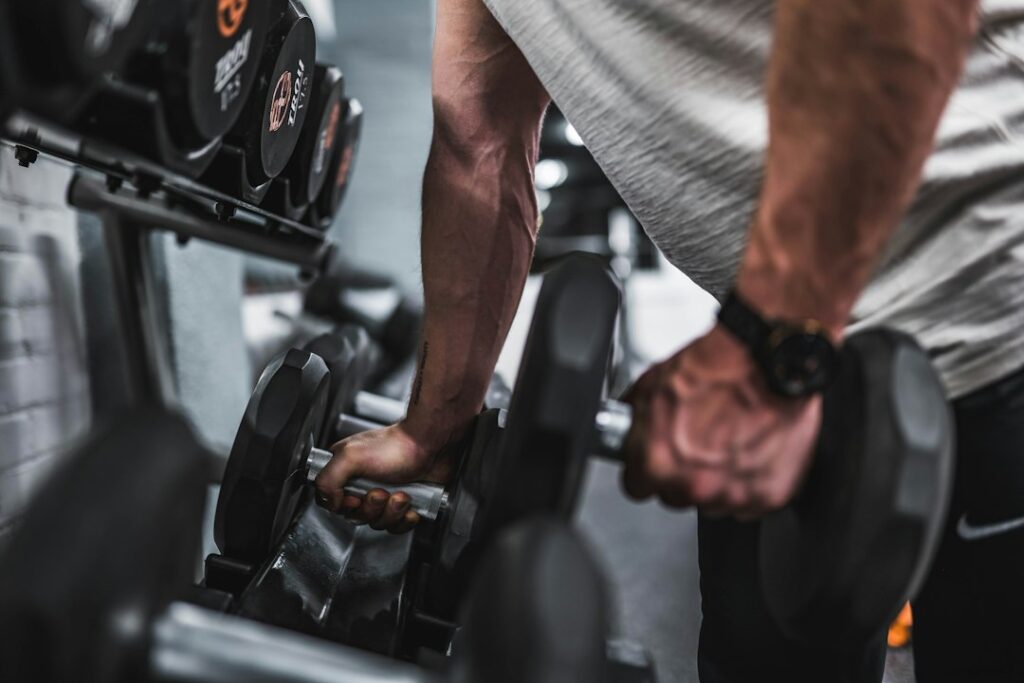
Starting bodybuilding as a beginner does not require advanced equipment, a complicated meal plan, or hours of daily training. The essentials are consistent resistance exercise, adequate food, sufficient recovery, and a plan that becomes gradually more challenging.
For residents of Seattle, a realistic routine should also account for busy schedules, apartment living, rainy weather, and seasonal changes in daylight. A good program is one that can be followed year-round, including on days when outdoor activity is less appealing.
What does bodybuilding involve?
Bodybuilding is resistance training combined with nutrition and recovery practices intended to increase muscle size, strength, and overall physique development. Beginners do not need to train like competitive bodybuilders. The first goal is to learn basic movement patterns and build a routine that can be repeated consistently.
Most beginner programs include exercises for:
- Legs and hips
- Chest and shoulders
- Back
- Arms
- Core
A balanced program trains the major muscle groups rather than focusing only on visible areas such as the chest or arms. Strong legs, hips, back, and core support posture, lifting ability, and everyday movement.
How often should a beginner train?
Three full-body strength sessions per week work well for many beginners. Training on nonconsecutive days, such as Monday, Wednesday, and Friday, gives muscles time to recover while providing enough practice to improve technique.
Each session can include five to seven exercises:
1. A squat or leg press variation
2. A hip-hinge movement, such as a deadlift variation
3. A horizontal push, such as a push-up or chest press
4. A horizontal pull, such as a row
5. An overhead press
6. A core exercise
7. Optional work for the arms, calves, or shoulders
A beginner may start with two working sets per exercise. After several weeks of consistent training, three sets may be appropriate for selected movements. A workout does not need to last two hours. For many people, 45 to 70 minutes is enough.
Which exercises should beginners learn first?
Beginners should start with movements that are easy to control and can be adjusted to match current strength. Machines, dumbbells, resistance bands, and body-weight exercises can all be effective.
Useful starting exercises include:
- Goblet squats or controlled leg presses
- Romanian deadlifts with light dumbbells
- Incline or standard push-ups
- Dumbbell bench presses
- Seated cable or machine rows
- Lat pulldowns
- Dumbbell shoulder presses
- Planks or dead bugs
The exercise itself matters less than proper control, a manageable range of motion, and gradual progress. A beginner does not need to lift the heaviest available weight. The appropriate starting load allows smooth repetitions without losing posture or using momentum.
How many repetitions and sets are appropriate?
A practical beginner range is usually 8 to 12 repetitions for many exercises, using a weight that leaves about two or three good repetitions in reserve. This means the set feels challenging, but technique does not break down.
Some exercises use different ranges:
- Large compound movements: about 6 to 12 repetitions
- Smaller isolation movements: about 10 to 15 repetitions
- Planks and similar core exercises: timed intervals or controlled repetitions
Rest for roughly one to three minutes between sets. More demanding exercises often require longer rest. Short rest periods are not automatically better, especially when the goal is to maintain good form and produce useful effort.
How does progressive overload build muscle?
Muscles adapt when training provides a gradually increasing challenge. This process is called progressive overload. Progress does not always mean adding weight.
A beginner can progress by:
- Completing more repetitions with the same weight
- Adding a small amount of weight
- Performing an additional set
- Improving range of motion
- Using slower, more controlled repetitions
- Reducing unnecessary rest while maintaining performance
A simple method is to choose a repetition range, such as 8 to 12. When all sets reach 12 repetitions with solid technique, increase the weight slightly and return to the lower end of the range.
Keep a basic training log with the exercise, weight, repetitions, and sets. Written records make progress easier to see and reduce the temptation to change the program too often.
What should beginners eat to gain muscle?
Muscle growth requires enough total food, protein, and energy for training and recovery. Many beginners do not need a highly restrictive diet or a large calorie surplus.
Build meals around:
- Protein sources such as eggs, dairy foods, beans, lentils, poultry, fish, tofu, or lean meats
- Carbohydrates such as oats, rice, potatoes, fruit, bread, and pasta
- Vegetables and other fiber-rich foods
- Dietary fats from foods such as nuts, seeds, avocados, and oils

A useful protein target for many adults who strength train is approximately 1.2 to 1.6 grams per kilogram of body weight per day. People with medical conditions, special dietary requirements, or a history of disordered eating should seek individualized guidance before making major dietary changes.
Weight gain should be gradual if muscle growth is the priority. Rapid increases often include more body fat, water, and digestive discomfort than expected. Beginners who already carry excess body fat may be able to build muscle while maintaining body weight, particularly during their first year of structured training.
How much sleep and recovery are needed?
Recovery is part of the training program, not time wasted between workouts. Most adults benefit from roughly seven to nine hours of sleep, although individual needs vary.
Allow a muscle group to recover if it remains unusually sore, weak, or painful. Ordinary muscle soreness can occur after a new workout, but sharp pain, joint pain, numbness, swelling, or pain that changes normal movement should not be ignored.
Seattle’s darker winter mornings and frequent wet conditions can make routines harder to maintain. Keeping training at a consistent indoor time, preparing clothes and meals in advance, and using a home-based backup workout can help preserve consistency when weather or daylight affects motivation.
Can bodybuilding work in a small apartment?
Yes. A beginner can make meaningful progress with limited space. A pair of adjustable dumbbells, resistance bands, a stable bench or step, and a small clear area may be enough for a basic home program.
Apartment residents should consider:
- Avoiding exercises that involve dropping weights
- Using controlled movements to reduce noise
- Protecting floors when appropriate
- Checking that furniture is stable before using it for support
- Leaving enough space to move safely
- Choosing quiet alternatives to jumping exercises
Body-weight squats, split squats, push-ups, rows with bands, overhead presses, and floor-based core exercises can provide a useful starting point without creating excessive impact or noise.
What mistakes should beginners avoid?
The most common mistake is changing programs before giving one enough time to work. Beginners often benefit more from repeating a simple routine for several months than from constantly switching exercises.
Other frequent problems include:
- Training hard every day without rest
- Adding weight before learning technique
- Comparing beginner progress with advanced lifters
- Ignoring lower-body or back training
- Eating too little protein or total food
- Treating supplements as a replacement for meals
- Using pain as proof that a workout was effective
- Expecting visible changes after only a few sessions
Progress is usually easier to evaluate through strength, repetitions, measurements, photographs taken under consistent conditions, and how clothing fits. Daily scale changes are heavily influenced by water, sodium, food volume, and digestion.
When should a beginner get extra guidance?
Most people can begin with conservative resistance training, but extra guidance is appropriate for anyone managing a significant injury, uncontrolled medical condition, pregnancy-related limitations, severe joint pain, or symptoms such as chest pain, fainting, or unusual shortness of breath.
A qualified medical or exercise professional may also be useful when a person is unsure how to modify movements safely. The goal is not to make training complicated; it is to establish a routine that is safe, repeatable, and suitable for the individual.
A strong first month can be simple: train three times per week, use manageable weights, record each session, eat regular protein-containing meals, and prioritize sleep. Once those habits are stable, gradually increasing the challenge becomes much easier.